salakhalimunmountain.com – The first thing you notice when trekking into Halimun–Salak National Park is not the view — it’s the feeling.
The air grows heavier, cooler, alive with moisture. Moss creeps over stones like a slow green tide. Cicadas pulse through the canopy, and somewhere deeper in the forest, unseen water rushes over volcanic rock. This is not a landscape that asks to be conquered. It asks to be understood.
Trekking in Mount Salak and Mount Halimun is not simply an outdoor activity. It is a quiet agreement between you and one of Java’s last great rainforests — an agreement built on respect, patience, and humility. Every step matters here. Every sound, every footprint, every choice you make echoes longer than you think.
That is why trekking ethics are not optional in Halimun–Salak National Park. They are the foundation of a meaningful journey.
Why Trekking Ethics Matter in Halimun–Salak
Halimun–Salak National Park protects more than trails and peaks. It shelters one of the largest remaining montane rainforests in West Java, a living mosaic of towering trees, orchids clinging to bark, ancient ferns, hidden waterfalls, and wildlife that survives only because this forest still breathes.
But this land is also cultural. Long before trekking routes were marked on maps, indigenous communities such as the Kasepuhan and Baduy people lived by deeply rooted forest laws — rules passed down through generations that prioritize balance over exploitation.
When you trek here, you are entering:
- A fragile ecological system
- A sacred cultural landscape
- A terrain shaped by volcanic power and unpredictable weather
Ethical trekking ensures that your presence does not disrupt what has taken centuries to grow.
Nature and Trail Ethics: Walking Without Wounds
Leave No Trace in a Living Rainforest
In Halimun–Salak, trash does not disappear — it lingers.
Plastic wrappers can choke streams that supply water to villages. Food waste attracts animals away from natural feeding patterns. Even biodegradable items take far longer to break down in cool, damp forest conditions.
Ethical rule:
If you carry it in, you carry it out. Everything.
- Snack packaging
- Wet wipes
- Tissues
- Cigarette butts
- Leftover food
A clean trail is not just aesthetic. It is survival.
Stay on Established Trails
It may be tempting to step off the path to chase a photo or shortcut muddy sections. In Halimun–Salak, this small decision can cause lasting damage.
The forest floor is delicate. Beneath the leaves lie shallow root systems, fungi networks, and young plants struggling for light. Repeated trampling leads to erosion, especially on steep volcanic slopes where soil easily washes into rivers.
Staying on trails means protecting both the forest and future trekkers.
Respect Wildlife as Neighbors, Not Attractions
Halimun–Salak is home to shy forest residents — Javan gibbons calling across valleys, birds flashing color between branches, and nocturnal creatures rarely seen by day.
Observe quietly and from a distance. Silence is not emptiness here. It is how the forest speaks.
Minimize Impact Through Small Groups
Large, noisy groups fracture the forest’s rhythm. Smaller groups reduce trail damage, create safer movement, and allow deeper listening and awareness.
Cultural and Local Ethics: Respecting Living Traditions
The Forest Is Not Empty Land
Small shrines, offerings, and sacred markers appear along certain routes. These are not decorations. They are expressions of gratitude and reverence.
Do not touch offerings. Speak softly. Ask permission before taking photos.
Understanding Traditional Zoning
- Leuweung Kolot – Sacred old forest, strictly protected
- Leuweung Titipan – Entrusted forest with limited access
- Leuweung Garapan – Community-managed land
Respecting these zones honors centuries of ecological wisdom.
Hiring Local Guides Is an Ethical Choice
Local guides ensure safety, interpret the forest’s signs, and keep cultural knowledge alive. Choosing them supports conservation and community livelihoods.
Safety and Practical Ethics: Humility Saves Lives
This Is Not a Mountain to Conquer
Mount Salak’s reputation comes from unpredictable weather, dense jungle, and volcanic terrain. Turning back is not failure — it is respect.
Heed Warnings Around Kawah Ratu
Steam vents can release dangerous sulfur gases. Follow instructions, avoid restricted areas, and never linger near vents.
Be Properly Prepared
Preparation is an ethical responsibility. Proper footwear, water, rain protection, and physical readiness keep everyone safe.
Ethical Trekking as Connection, Not Consumption
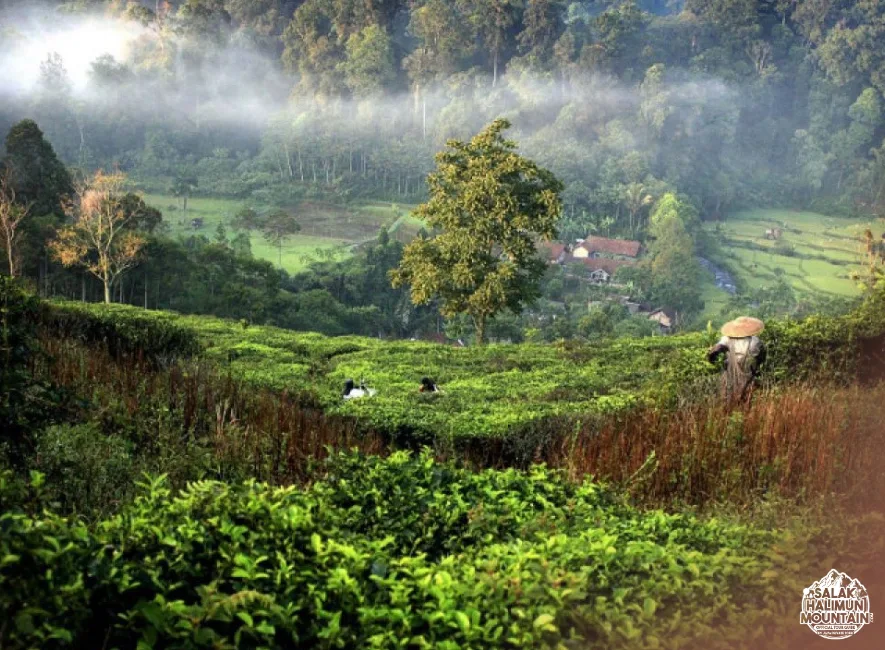
The most meaningful moments come when you slow down — mist curling through trees, boots sinking softly into volcanic mud, the steady rhythm of water and wind.
Ethical trekking turns hiking into relationship, not consumption.
A Final Step Forward
Trekking ethics in Halimun–Salak are invitations to walk gently, listen deeply, and move as a respectful guest through a living rainforest.
So, if you’re ready to explore the wonders of Mount Salak Halimun, head over to our ONLINE BOOKING PAGE and let’s start planning your adventure.
Or simply CLICK THIS LINK to chat with us on WhatsApp.
With our team, you’re not just getting a guide; you’re gaining a local friend who will ensure your trip is nothing short of extraordinary